 Reviews


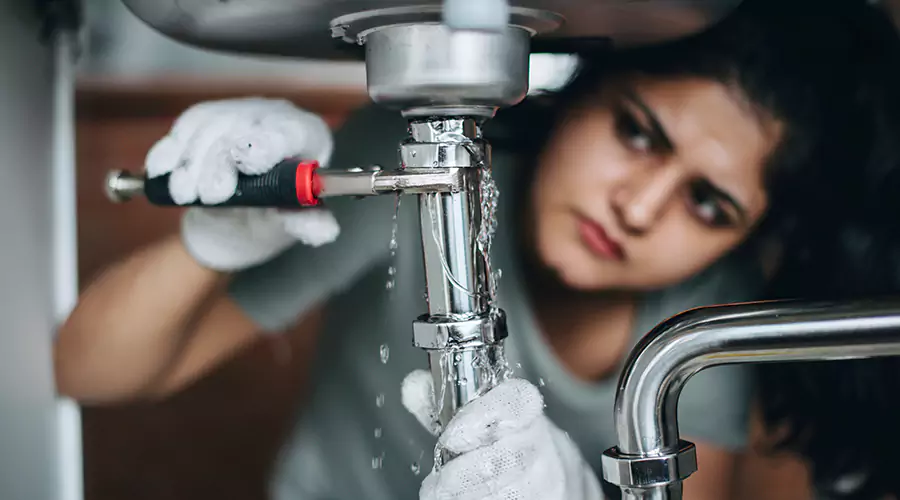
Planning a vacation is exciting, but leaving your home unattended comes with risks most homeowners overlook. One of the most common surprises people return to is a plumbing disaster that developed while they were away. A burst pipe, a silent leak, or an overflowing appliance can cause thousands of dollars in damage in just a matter of days.
Preparing your plumbing system before a long vacation takes very little time and can completely eliminate these risks. Here is a practical, step-by-step checklist to protect your home while you are away.
Why Plumbing Preparation Matters Before a Long Trip?
When you are home, a minor plumbing issue is something you notice and address quickly. When you are away for a week or more, the same small problem can grow into a serious one. Water damage that goes unnoticed leads to mold growth, rotting structural materials, and warped surfaces throughout your home.
A little preparation before you leave is far less costly than coming home to a flooded basement or a leaking water heater.
Step-by-Step Plumbing Checklist Before You Leave
1. Shut Off the Main Water Supply
The single most effective step before a long vacation is to turn off your home's main water supply valve. This stops water from flowing into your home entirely, eliminating the risk of a pipe burst, appliance failure, or hidden leak while you are gone.
After shutting off the main valve, open a faucet on the lowest level to release residual pressure and drain water from the pipes.
2. Turn Off the Water Heater
Once the main supply is off, there is no reason to keep your water heater running. A tank heater heating an isolated water supply wastes energy and strains the unit. Switch it to vacation mode if available, or turn it off entirely for trips longer than a few days.
For gas water heaters, keep the pilot light on with the temperature at the lowest setting. For electric models, switch the unit off at the circuit breaker.
3. Check for Leaks Before You Go
Walk through your home and inspect all visible plumbing for signs of leaking before your trip. Pay close attention to:
- Under kitchen and bathroom sinks
- Around the base of toilets
- Behind the washing machine and dishwasher
- Around the water heater
- Exposed pipes in the basement or utility areas
Even a small drip can worsen significantly over a week or two. Fixing a minor issue before you leave is always easier than dealing with water damage on your return.
4. Disconnect Appliance Water Supply Lines
Washing machines are one of the most common sources of home flooding. Rubber supply hoses can crack or fail without warning. Before leaving, turn off the shutoff valves behind the washing machine and disconnect the supply lines if possible.
The same applies to your refrigerator's ice maker line and any appliance that connects directly to your water supply.
5. Drain Outdoor Hoses and Shut Off Exterior Faucets
If traveling during cooler months, outdoor pipes and garden hoses risk freezing and bursting. Disconnect and drain all garden hoses. If your home has a dedicated shutoff for exterior faucets, close it and briefly open the outdoor taps to release remaining water.
Even in warmer climates, disconnecting outdoor hoses prevents backflow issues and wear on your fixtures.
6. Insulate Pipes in Unheated Spaces
If leaving during winter, make sure pipes in unheated areas such as garages, crawl spaces, and exterior walls are properly insulated. Foam pipe insulation is inexpensive and can be the difference between pipes that survive a cold snap and ones that burst.
If your home will be empty during freezing temperatures, keep the thermostat set to at least 55 degrees Fahrenheit to protect interior pipes.
7. Install or Test a Smart Leak Detector
Before heading out, consider installing smart leak detectors near your water heater, under sinks, and behind appliances. These affordable devices send instant alerts to your smartphone if moisture is detected, allowing you to act quickly and prevent damage. Incorporating this into regular Plumbing Maintenance helps protect your home and ensures your system stays in top condition.
If you already have leak detectors, test them before leaving to confirm they are working properly.
8. Arrange for a Trusted Contact
Even with all precautions in place, unexpected issues can still occur. Before leaving, give a trusted neighbor, friend, or family member a key to your home along with the location of your main shutoff valve and the contact details of a reliable local plumber. Having someone who can respond quickly provides an important safety net.
Final Thoughts
Taking an hour to prepare your plumbing before a long vacation is one of the smartest things you can do as a homeowner. Shutting off the main supply, checking for leaks, disconnecting appliances, and arranging a trusted local contact can protect your home from serious water damage and give you real peace of mind while you travel.
A little preparation before you leave means you can enjoy your vacation without worrying about what might be happening at home.
Frequently Asked Questions
Should I shut off the water even if I am only leaving for a few days?
For trips of three days or more, shutting off the main supply is a smart precaution. Even a brief absence gives a slow leak enough time to cause significant damage.
Is it safe to leave the water heater on vacation mode?
Yes. Most modern water heaters have a vacation or low-temperature mode that keeps the unit safe while cutting energy use. It is far better than leaving it running at full temperature in an empty home.
What is the most common plumbing issue in unoccupied homes?
Burst washing machine supply hoses are among the most frequent causes of flooding. Always shut off the water supply to your washing machine before an extended trip.
Should I leave a faucet dripping to prevent frozen pipes?
A dripping faucet can help if you cannot shut off the main supply and temperatures are expected to drop below freezing. However, shutting off the main supply and draining the pipes is a more reliable solution.